
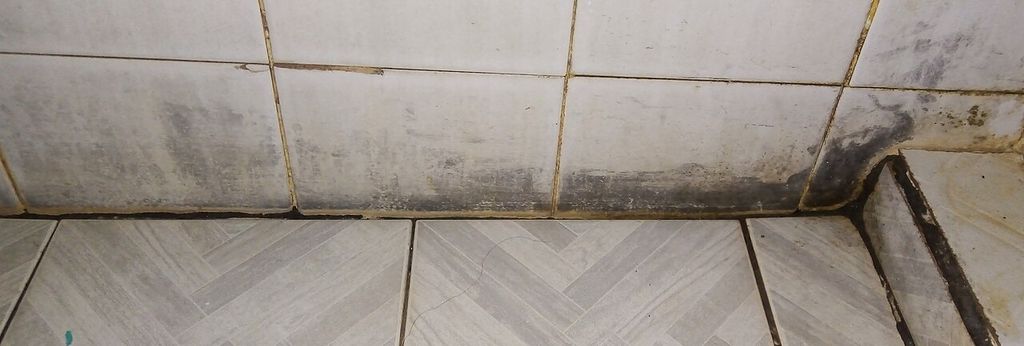
A musty smell you cannot place, or black fuzz creeping along a ceiling crack, can turn a home into a source of anxiety. The GOT MOLD? Test Kit brings the same spore-trap air sampling method professionals use into a do-it-yourself kit, with accredited lab analysis included in the price. Our in-depth analysis found it is a legitimate, cost-effective first step — but it is a screening tool, not a substitute for a professional inspection.
📋 Quick Verdict
The GOT MOLD? Test Kit is an at-home air sampling kit that tests the air in one, two or three rooms for mold spores. It uses spore-trap cassettes and a reusable BioVac™ Air Sampler, then ships your samples to Eurofins, a leading accredited microbiology lab, for analysis against AIHA-EMLAP standards. Results arrive in about three business days as a color-coded report that requires no scientific background to read.
Our review found the strongest appeal is convenience and honesty. There is no appointment to schedule, no inspector walking through your home, and no conflict of interest — a real concern in an industry where inspectors doubling as remediators is outlawed in several states. The kit costs $199 to $299 depending on room count, with all lab fees and two-way shipping bundled in, which is a fraction of a professional inspection.
The honest trade-off is scope. The company itself is upfront that this is a screening tool — comparable to an at-home pregnancy test — not a replacement for a qualified professional. Air sampling captures what is floating in the room at one moment, so mold hidden inside a wall cavity may not register, and a still room can produce misleading results if you skip the prep instructions. As a first step, it is excellent; as a final answer for a serious contamination problem, it is not enough on its own.
✅ Pros
- Uses spore traps, the same method most professional air sampling relies on
- Analysis by Eurofins under AIHA-EMLAP accreditation — not an in-house lab
- All lab fees and two-way shipping included, with no surprise charges
- Color-coded report (green/yellow/orange/red) is genuinely easy to read
- Includes raw lab data you can hand to a professional later
- Reusable BioVac™ Air Sampler keeps retesting cheap via refills
- Batteries included, assembled in the USA, and a tree planted per kit
❌ Cons
- Upfront cost is far higher than cheap petri-dish kits (though far more accurate)
- Air sampling can miss mold hidden inside walls or settled out of still air
- Requires 2–3 days of prep, including keeping windows closed and purifiers off
- Not designed to measure exposure, risk, or whether a building is “safe”
- Roughly 2% of reports historically cannot be generated due to compromised cassettes
- Testing a car is possible but not recommended by the maker
- A positive result still means paying separately for a professional assessment
🤔 What Is the GOT MOLD? Test Kit?
GOT MOLD? is a registered trademark of MycoLab USA LLC and a direct-to-consumer mold testing service built around a simple premise: test your air like a professional, without the hassle of finding a qualified, trustworthy inspector. The kit centers on a reusable BioVac™ Air Sampler that pulls air through spore-trap cassettes, which act as filters to collect microscopic spores and other particles floating in each room.
After collecting samples — a process the maker says takes about 20 to 30 minutes — you activate the kit online, mail the cassettes back in the included prepaid packaging, and receive a color-coded report. Because every home has some mold, the kit also requires an outdoor reference sample using the included green cassette, giving the lab a baseline so your indoor results can be interpreted in context rather than in a vacuum.
⚙️ Key Features
1. Professional-Grade Spore Trap Sampling
The kit uses spore traps, described by the company as the most widely utilized method of professional air sampling for mold. Air sampling cassettes collect spores and microscopic particles pulled through them by the reusable BioVac™ Air Sampler. This is a meaningful step above the petri-dish “settle plate” kits sold at hardware stores, which grow whatever happens to fall onto a plate and are widely considered unreliable for quantifying indoor mold.
2. Accredited Lab Analysis by Eurofins
Samples are analyzed by a microbiologist using direct microscopic investigation, with spores identified across up to 245 categories — mostly genus level and higher — covering all known spore-producing molds and fungi, roughly 100,000 species. The partnership with Eurofins, and analysis performed to AIHA-EMLAP standards, is a differentiator: results come from an independent, accredited lab rather than an in-house reading.
3. Color-Coded, Plain-Language Report
The report is designed to be read without an expert. Each room is flagged green (no evidence of indoor growth), yellow (slight evidence), orange (moderate evidence) or red (significant evidence), alongside actual spore counts and the types of mold detected. Crucially, the report also includes the raw laboratory data, so if your results suggest a real problem, a professional can review them without repeating the sampling.
4. Multi-Room & Outdoor Reference Testing
Kits are available for one, two or three rooms, with the general guidance that one cassette covers one normal-sized room and an extra cassette is wise for every additional 500 square feet. The included green cassette samples the air just outside your home to establish a baseline, because outdoor spores infiltrate every building through doors, windows and cracks — without that baseline, indoor readings would be meaningless.
5. Refills & Reusable Hardware
Because the BioVac™ Air Sampler is reusable, retesting other rooms, sharing with family or retesting after remediation only requires cassette refills rather than a whole new kit. Refills cost $149 to $249 depending on room count, and the company explicitly encourages reusing or donating the pump rather than discarding it, part of a broader environmental stance that includes planting a tree for every kit sold.
💰 Pricing & Plans
Pricing is refreshingly transparent: every kit and refill includes all lab fees, accredited analysis, easy instructions, free two-way shipping, cassettes, a detailed report and support. There are no hidden fees. Here is the full breakdown:
| Option | Price | What you get |
|---|---|---|
| 1-Room Kit | $199 | BioVac™ sampler + cassettes + lab analysis |
| 2-Room Kit | $249 | BioVac™ sampler + cassettes + lab analysis |
| 3-Room Kit | $299 | BioVac™ sampler + cassettes + lab analysis |
| 1-Room Refill | $149 | Cassettes + lab analysis (no sampler) |
| 2-Room Refill | $199 | Cassettes + lab analysis (no sampler) |
| 3-Room Refill | $249 | Cassettes + lab analysis (no sampler) |
Prices were confirmed from the official GOT MOLD? shop at the time of writing. Always confirm current pricing on the site before ordering.
⚔️ GOT MOLD? vs. Competitors
The two natural alternatives are a professional mold inspection and the cheap petri-dish kits sold in hardware stores. Each occupies a different point on the cost-versus-reliability spectrum.
| Factor | GOT MOLD? Kit | Professional inspector | Petri-dish DIY kit |
|---|---|---|---|
| Typical cost | $199–$299 | Often $500–$1,000+ | $20–$40 |
| Method | Spore-trap air sampling | Physical inspection + sampling | Settle plate growth |
| Detects hidden wall mold? | Limited — air sampling only | Yes, via inspection & moisture tools | No |
| Lab accreditation | Eurofins, AIHA-EMLAP | Varies by inspector | None |
| Best for | Affordable first screen | Serious contamination, real-estate, legal | Curiosity only |
The verdict: for a fraction of a professional’s fee you get accredited, quantifiable air data with none of the scheduling or conflict-of-interest headaches. Petri-dish kits are cheap but produce results experts routinely dismiss. If you have visible mold, water damage or health symptoms, skip the DIY route entirely and hire a qualified, independent inspector — the company itself says as much. GOT MOLD? is the sensible middle option: a credible first screen that tells you whether professional help is warranted.
🎯 Who Should Use GOT MOLD?
- Homeowners and renters who smell mustiness or see suspicious spots and want an affordable first answer
- People with allergies, asthma or sinus issues who suspect an environmental trigger in the home
- Anyone who wants lab-grade data before deciding whether to pay for a professional inspection
- Parents-to-be or families wanting peace of mind about a room’s air quality
- People who value a documented, accredited report they can share with a landlord or professional
🚫 Who Should Skip It
- Anyone with visible mold growth, standing water or a known leak — go straight to a professional
- People who need to prove contamination for a lawsuit, insurance claim or real-estate transaction
- Those unwilling to follow the prep steps, which require days of closed windows and purifiers turned off
- Anyone expecting a definitive “is my home safe” answer — the kit explicitly does not measure risk or exposure
- Budget shoppers who only want to confirm a smell and would be satisfied with a $30 petri dish
❓ Frequently Asked Questions
It uses spore traps — air sampling cassettes that act as filters, collecting spores and other microscopic particles pulled through them by the reusable BioVac™ Air Sampler. This is the same method most professional air sampling uses.
Once the lab receives your samples, results are available in three business days. You are notified by text message or email based on your selected preference during kit activation, and the report is viewable online at gotmold.com.
Green means your indoor samples are similar to your outdoor reference and no indoor growth was detected. Yellow indicates slight evidence, orange indicates moderate evidence, and red indicates significant evidence of indoor mold growth, in which case the company urgently recommends consulting a professional.
Mold spores are present in outdoor air everywhere and infiltrate every home. The green cassette samples the air just outside your home to establish a baseline, so the lab can tell whether your indoor spore counts are normal infiltration or a sign of indoor growth.
You can, but GOT MOLD? does not recommend it. A car’s environment is far less consistent because doors and windows open regularly. The maker suggests trusting your nose first — a musty smell in a car usually means mold — and if you do sample, keep doors and windows closed for 2–3 days first.
The kit is a cost-effective first step, not a replacement for a professional inspection. Air sampling can miss mold hidden in walls, and still air can let spores settle and skew results. You should not base major decisions — remediation, lawsuits or relocation — solely on a DIY kit result.
🏁 Final Verdict
Our review found the GOT MOLD? Test Kit to be a rare example of a DIY product that knows exactly what it is and says so plainly. It delivers professional-method air sampling, accredited Eurofins lab analysis and an easy-to-read report for $199 to $299, all fees included — a genuine bargain next to a professional inspection, and a completely different league from a $30 petri dish. The limitations are real and clearly disclosed: it samples air, not wall cavities, and it cannot declare a home safe. Used the way it is designed to be used — as an affordable first screen that tells you whether to escalate to a professional — it is a smart, honest purchase. If you can already see mold or smell it persistently, skip the test and call an independent inspector instead. For the worried homeowner who just wants real data without spending a thousand dollars, this kit is easy to recommend.
Stop wondering what is in your air.
We may earn a commission if you buy through our links, at no extra cost to you.
Read next



Travel Hacks Guide Editorial Standards & Testing Methodology
At Travel Hacks Guide, we independently evaluate car rentals, international eSIMs, flight booking engines, and travel insurance. We never accept payment for ranking or recommendations. When you book via links on our site, we may earn an affiliate commission at no extra cost to you.