
.sfguide { font-family: ‘Georgia’, serif; max-width: 880px; margin: 0 auto; line-height: 1.8; color: #2d2d2d; }
.sfguide .hero { background: linear-gradient(135deg, #250e8a 0%, #1a0660 100%); color: #fff; padding: 60px 40px; border-radius: 16px; text-align: center; margin-bottom: 40px; box-shadow: 0 10px 40px rgba(37,14,138,0.3); }
.sfguide .hero .badge { display: inline-block; background: rgba(255,255,255,0.2); padding: 8px 20px; border-radius: 20px; font-size: 13px; letter-spacing: 2px; text-transform: uppercase; font-weight: 700; }
.sfguide .hero h1 { font-size: 42px; margin: 24px 0 16px; font-weight: 800; line-height: 1.2; color: #fff; }
.sfguide .hero .sub { font-size: 18px; opacity: 0.9; max-width: 600px; margin: 0 auto; }
.sfguide h2 { color: #250e8a; font-size: 28px; font-weight: 700; border-left: 4px solid #250e8a; padding-left: 16px; margin: 48px 0 20px; }
.sfguide .box { background: #f0ecff; border: 1px solid #d4ccf5; border-radius: 12px; padding: 24px 28px; margin: 24px 0; border-left: 4px solid #250e8a; }
.sfguide .box h3 { color: #250e8a; margin: 0 0 12px; font-size: 20px; }
.sfguide .box p { margin: 0; color: #1a0660; line-height: 1.7; }
.sfguide .highlight { background: linear-gradient(135deg, #f8f6ff 0%, #eee8ff 100%); padding: 28px; border-radius: 12px; margin: 24px 0; border: 1px solid #d4c5ff; }
.sfguide .faq { margin-top: 48px; }
.sfguide .faq-item { background: #fafafa; border: 1px solid #e8e8e8; border-radius: 10px; padding: 24px 28px; margin: 16px 0; }
.sfguide .faq-item strong { color: #250e8a; }
.sfguide .cta { background: linear-gradient(135deg, #250e8a 0%, #4a2dc9 100%); color: #fff; padding: 48px 40px; border-radius: 16px; text-align: center; margin-top: 48px; }
.sfguide .cta h2 { color: #fff !important; border: none !important; padding: 0; margin: 0 0 16px; }
.sfguide .cta p { font-size: 18px; opacity: 0.9; margin-bottom: 24px; }
.sfguide .cta a { display: inline-block; background: #fff; color: #250e8a; padding: 16px 40px; border-radius: 30px; font-weight: 700; font-size: 17px; text-decoration: none; }
.sfguide ul.checks { list-style: none; padding: 0; }
.sfguide ul.checks li { padding: 10px 0 10px 32px; position: relative; font-size: 16px; }
.sfguide ul.checks li:before { content: “2713”; position: absolute; left: 0; color: #250e8a; font-weight: 700; font-size: 1.3em; }
Superfoods That Actually Work
Evidence-based nutrition powerhouses backed by real science — not marketing hype
The Problem With Most Superfood Claims
Every year, a new “miracle food” dominates headlines. Acai, goji berries, spirulina — they come and go while consumers waste money on marginal benefits. This guide focuses exclusively on foods with robust clinical evidence and meaningful impact on health markers.
📋 Our Criteria for Inclusion
Each food listed below meets ALL of these: (1) Multiple peer-reviewed human studies, (2) Clinically significant effect sizes, (3) Bioavailable at normal dietary intake, (4) No meaningful risks for healthy adults.
Tier 1: Maximum Evidence Superfoods
🫐 Blueberries & Dark Berries
Key compounds: Anthocyanins, pterostilbene, vitamin C
Proven benefits: Improved cognitive function (memory +15-20% in 12-week trials), reduced blood pressure (-5 mmHg systolic), lower oxidative stress markers. The MIND diet study linked daily berry intake to 2.5 years slower cognitive aging.
🐟 Fatty Fish (Salmon, Sardines, Mackerel)
Key compounds: EPA/DHA omega-3s, vitamin D3, astaxanthin
Proven benefits: Reduced triglycerides (-15-30%), lower cardiovascular events, anti-inflammatory effects rivaling low-dose NSAIDs in some studies. Two servings per week is the evidence-based minimum.
🥬 Cruciferous Vegetables (Broccoli, Kale, Brussels Sprouts)
Key compounds: Sulforaphane, indole-3-carbinol, vitamins K/C/A
Proven benefits: Activated Nrf2 pathway (master antioxidant regulator), reduced inflammatory markers, potential cancer-risk reduction. Sulforaphane from broccoli sprouts is particularly concentrated.
🫚 Turmeric (Curcumin)
Key compounds: Curcuminoids, turmerone
Proven benefits: Anti-inflammatory potency comparable to ibuprofen for osteoarthritis, improved endothelial function, neuroprotective. Pair with black pepper (piperine) for 2000% better absorption.
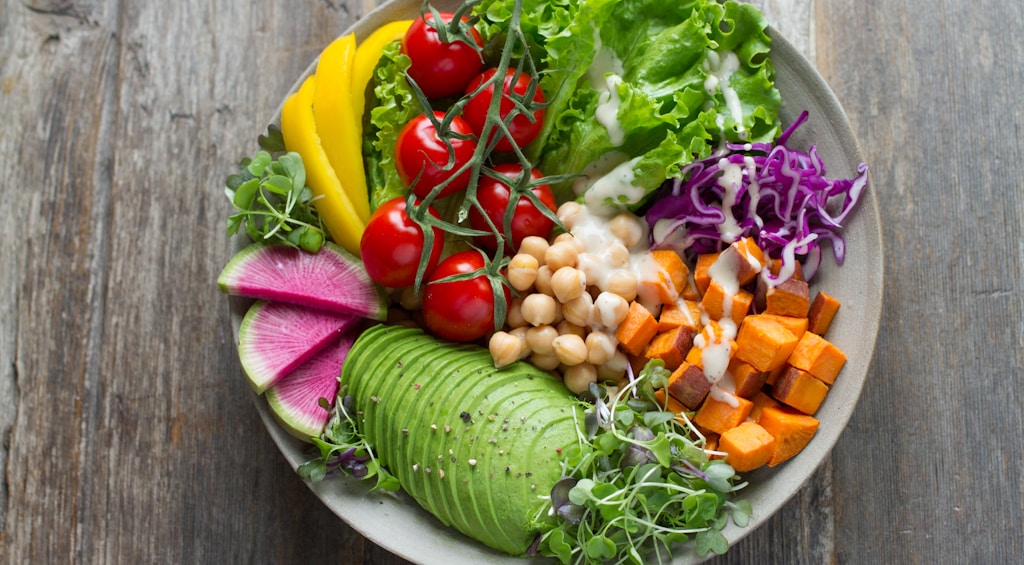
🥑 Avocado
Key compounds: Monounsaturated fats, potassium (more than banana), lutein
Proven benefits: Improved cholesterol ratios (↑HDL, ↓oxidized LDL), enhanced absorption of fat-soluble nutrients from other foods by 2-5x, reduced post-meal inflammation.
Tier 2: Strong Evidence, Specific Benefits
🫒 Extra Virgin Olive Oil
The cornerstone of Mediterranean diet longevity. Polyphenols (oleocanthal) provide anti-inflammatory action. 2+ tablespoons daily linked to 30% reduced cardiovascular mortality in PREDIMED trial.
🥜 Walnuts & Almonds
Walnuts: highest plant omega-3 (ALA) content, proven cognitive benefits. Almonds: best nut for cholesterol reduction. A handful (28g) daily is the studied dose.
🍵 Green Tea (Matcha)
EGCG catechins with metabolic and neuroprotective effects. 3-5 cups daily associated with 15% lower all-cause mortality in large cohort studies. Matcha delivers 3x the EGCG of regular green tea.
How to Build a Superfood Protocol
🍽️ Daily Framework
- Morning: Green tea + berries with oats or yogurt
- Lunch: Leafy greens base + avocado + olive oil dressing
- Afternoon: Handful of walnuts/almonds
- Dinner: Fatty fish 2-3x/week, cruciferous vegetables, turmeric in cooking
- Consistency beats intensity — small daily amounts outperform occasional megadoses
What to Skip: Overhyped “Superfoods”
Save your money on these — evidence doesn’t support the premium prices:
- Activated charcoal: Blocks medication absorption, no detox benefit
- Acai powders: No advantage over local berries at 10x the cost
- Celery juice: Marketing phenomenon with zero clinical evidence
- Most “superfood” supplements: Whole foods are almost always superior to extracts
Frequently Asked Questions
Q: Do superfoods need to be organic?
For most items, no. Nutrient content is nearly identical. Exception: the EWG “Dirty Dozen” (strawberries, spinach, kale) where pesticide residues are highest — go organic for those if budget allows.
Q: Can these replace my supplements?
For most healthy adults eating this protocol, yes — except vitamin D (if sun-limited), B12 (if plant-based), and any physician-prescribed supplements. Food-sourced nutrients have superior bioavailability.
Q: How soon will I notice results?
Energy and digestion: 1-2 weeks. Blood markers (cholesterol, inflammation): 4-8 weeks. Cognitive improvements: 8-12 weeks. Weight composition: 4-6 weeks with consistent intake.
Q: Are frozen fruits/vegetables less effective?
No — flash-frozen produce retains 95%+ of nutrients and often surpasses “fresh” supermarket items that sat in transport for days. Frozen berries and vegetables are a smart, cost-effective choice.
Start Eating Smarter Today
Get our free 7-day superfood meal plan with simple recipes using every food in this guide.
⭐ READ OUR FULL REVIEWFeatures, pricing and our honest verdict →
Read next
Travel Hacks Guide Editorial Standards & Testing Methodology
At Travel Hacks Guide, we independently evaluate car rentals, international eSIMs, flight booking engines, and travel insurance. We never accept payment for ranking or recommendations. When you book via links on our site, we may earn an affiliate commission at no extra cost to you.