
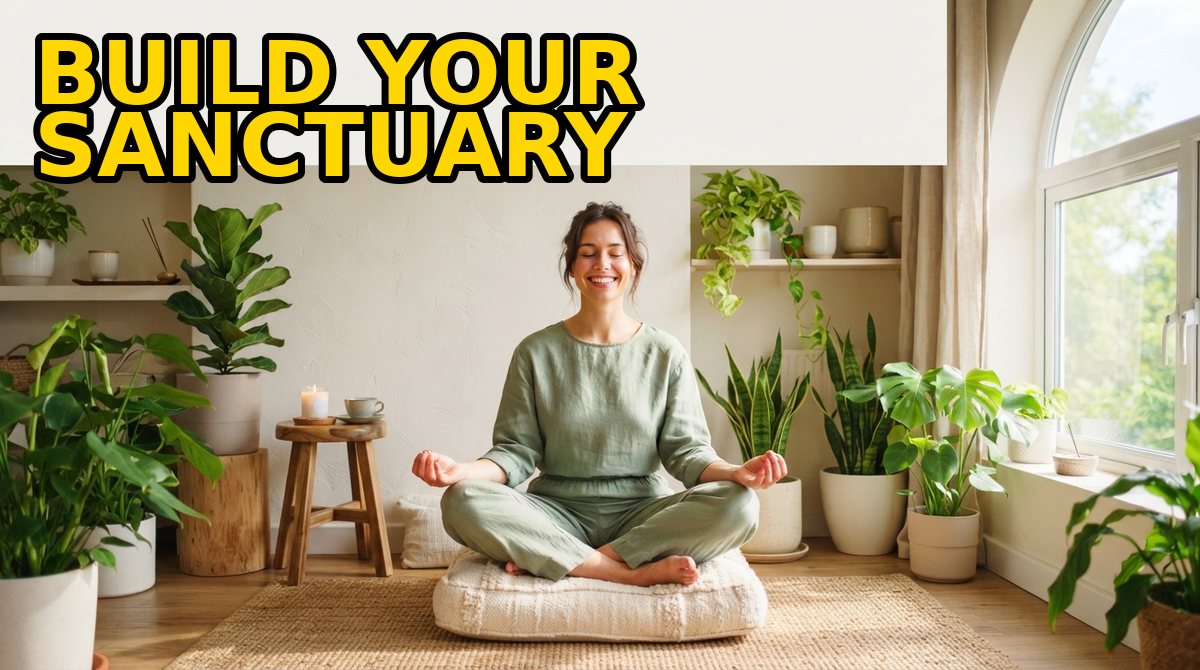
How to Build a Meditation & Zen Space: The 2026 Guide
A complete, room-by-room walkthrough for creating a calm, intentional meditation space at home — from choosing the right corner to Buddha statues, Tibetan singing bowls, lighting, plants, scent and the small rituals that keep your practice alive.
🌟 Why a Dedicated Zen Space Matters
A consistent meditation practice is far easier when you have a space that invites it. A dedicated corner — even a small one — signals to your mind that it’s time to slow down. Psychologists call this context-dependent habit formation: when a specific place is tied to a single behavior, your brain begins to associate that spot with calm, and simply sitting down becomes a cue to settle. The right pieces do more than decorate: a hand-carved Buddha statue anchors the space with intention, a singing bowl marks the start and end of a session, and mala beads keep your practice grounded. Building that space thoughtfully turns meditation from a chore into a ritual you look forward to.
📍 Choosing the Right Space
Before buying a single object, choose your location. The ideal spot is quiet, gets some natural light, and sits away from high-traffic areas like hallways and the TV. You don’t need a whole room — a corner of a bedroom, a landing at the top of the stairs, or a nook beside a window all work. Face the space away from doorways so your back is supported and your view is calm rather than busy. If noise is unavoidable, pick the quietest wall in the house and plan to add soft furnishings that absorb sound. The goal is a spot you can leave set up permanently, so you never have to “build” the space each time you sit.
🧹 Declutter First
A zen space is defined as much by what you remove as by what you add. Clear the area completely, then reintroduce only what serves the practice. Visual clutter keeps the nervous system in a low-grade state of alertness, so keep surfaces mostly empty and store anything unrelated — laundry, chargers, paperwork — out of sight. A single tray or low table for your statue, bowl and beads is plenty. The principle of wabi-sabi — finding beauty in simplicity and imperfection — is your guide: a few meaningful pieces with breathing room around them will always feel calmer than a crowded shelf.
💡 Lighting the Space
Lighting sets the entire mood. Harsh overhead light fights relaxation, so layer softer sources instead. Natural daylight is ideal for morning sits; a sheer curtain diffuses it beautifully. For evenings, use a warm dimmable lamp (2700K or lower), a Himalayan salt lamp for its amber glow, or a cluster of LED or beeswax candles. Candlelight has an added benefit: a steady flame makes an excellent focal point for trataka, or gazing meditation. Keep light sources low and to the side rather than directly overhead so shadows are soft and the space feels intimate.
🌿 Plants & Natural Elements
Greenery brings life and improves air quality, both of which support calmer breathing. Choose low-maintenance, air-purifying plants that thrive in indirect light — snake plant, peace lily, pothos or a small bonsai all suit a meditation corner. A single well-placed plant does more than a crowded windowsill. Natural materials elsewhere in the space — a bamboo mat, a smooth river stone, a piece of driftwood — reinforce the connection to nature that grounds a practice. Tending the plant can even become a small mindfulness ritual of its own.
🧘 Cushions, Mats & Seating
Comfort protects your posture, and posture protects your focus. A firm zafu (round cushion) lifts the hips above the knees, tilting the pelvis forward so the spine stacks naturally and you can sit longer without strain. Pair it with a zabuton — a flat padded mat — to cushion the ankles and knees. If sitting on the floor isn’t comfortable, a meditation bench or a firm chair with both feet flat on the ground works just as well; there is no single “correct” posture, only one that lets you stay alert and relaxed. Test the height before committing: your knees should rest at or below hip level.
🎵 Sound: Bowls, Bells & Fountains
Sound helps the mind transition into and out of stillness. Tibetan singing bowls, tingsha bells and tongue drums bring resonance to a practice — a single tone to open and close a session signals the shift. To play a bowl, strike the rim gently, then circle it slowly with the mallet to build a sustained hum; larger bowls give deeper, longer tones. A small tabletop water fountain adds continuous, gentle sound that masks background noise and gives restless attention something soft to rest on. If you prefer silence, even a wind chime by an open window can serve as an occasional, natural cue.
🕯️ Scent & Atmosphere
Scent is the fastest route to a calm state because smell connects directly to the brain’s emotional centers. Incense — sandalwood, palo santo or nag champa — is traditional and doubles as a timing device as it burns down. If smoke isn’t practical, an essential-oil diffuser with lavender, frankincense or cedarwood delivers the same signal cleanly. Whatever you choose, use the same scent every time: after a few weeks the aroma alone will begin to trigger relaxation before you’ve even sat down.
🪷 Statues, Altars & Decor
The centerpiece of any altar is usually a hand-carved Buddha, Laughing Buddha, Kwan Yin or Ganesh statue, giving the space a focal point and setting the intention — compassion, abundance, protection or peace. Around it, keep decor deliberate: mala beads (108 beads) for counting mantras, a small dish of crystals chosen by intention (amethyst for calm, jade for luck, obsidian for protection), and perhaps a miniature zen garden whose raked sand becomes a meditative act in itself. Favor authenticity and craftsmanship — hand-carved statues and genuine metal bowls over mass-produced resin — and match the scale of each piece to your space so nothing overwhelms or gets lost.
🏠 Small-Space & Apartment Tips
You don’t need a spare room. A floating shelf can hold a statue, a bowl and a candle while your cushion tucks underneath when not in use. A folding screen or a simple curtain can partition a corner of a studio and create instant psychological separation. In truly tight quarters, a “meditation box” — a single tray or basket holding your beads, a travel bowl and a small statue — lets you set the scene in seconds and put it away just as fast. The permanence that matters is mental, not physical: a consistent spot and a consistent cue are what count.
🔁 Maintaining the Ritual
A space only helps if you use it. Anchor your practice to an existing habit — right after brushing your teeth, before your first coffee, or the moment you get home — so the cue is automatic. Keep sessions short at first (even five minutes) and let consistency, not duration, build the habit. Reset the space after each sit: fluff the cushion, straighten the altar, clear the ash. That small act of tidying closes the session and keeps the space ready and inviting for tomorrow.
🔍 What to Look For When Buying
1. Authenticity & craftsmanship
Favor hand-carved statues and genuine metal singing bowls over mass-produced resin and machine-stamped alternatives — the difference in feel and longevity is real.
2. Material & meaning
Choose stones and symbols that match your intention — amethyst for calm, jade for luck, obsidian for protection. Shopping by intention keeps your space coherent.
3. Size & scale
Match statue and bowl size to your space. An oversized statue overwhelms a small corner, while a tiny one gets lost on a large altar.
4. Shipping, returns & sourcing
Look for protected shipping on delicate carved pieces, a clear return policy, and a store that sources authentically so your items carry real meaning.
🎯 Our Recommended Store
If you want one store that covers the entire zen space — hand-carved statues, Tibetan singing bowls, mala beads, cushions, zen gardens and intention-based crystal jewelry — with genuine quality at accessible prices, Buddha Stones is our top pick. We put their range through a full hands-on evaluation.
Read our complete hands-on breakdown of quality, pricing, pros and cons:
❓ Frequently Asked Questions
What do I actually need to start meditating?
Very little — a comfortable cushion and a quiet corner are enough. A statue, singing bowl and mala beads then help build a ritual that makes the habit stick.
How big does a meditation space need to be?
Just large enough for your cushion or chair and a small surface for a focal point. A single corner or floating shelf is enough — consistency matters far more than square footage.
Which Buddha statue should I choose?
Pick by intention: a meditating Buddha for calm and focus, a Laughing Buddha for abundance and joy, or Kwan Yin for compassion. Match the size to your space.
How do I use a singing bowl?
Strike or circle the rim with the mallet to create a sustained tone. Use it to open and close a session — the sound helps signal the transition into stillness.
🏁 Final Thoughts
A well-built zen space makes mindfulness a daily habit rather than an occasional effort. Choose a quiet corner, clear the clutter, layer soft light, add a plant, get your seating right, and let sound and scent become the cues that pull you into stillness. Prioritize authentic craftsmanship, meaningful materials, the right scale and safe shipping — and you’ll create a corner that genuinely supports your practice. For a store that ticks every box, start with our Buddha Stones review below.
Read next



Travel Hacks Guide Editorial Standards & Testing Methodology
At Travel Hacks Guide, we independently evaluate car rentals, international eSIMs, flight booking engines, and travel insurance. We never accept payment for ranking or recommendations. When you book via links on our site, we may earn an affiliate commission at no extra cost to you.